In a world that feels increasingly fragmented, the concept of “harmony” often sounds like an abstract thought. However, here, we view harmony as a tangible, measurable state achieved through deliberate practice. Over the year, we will explore the 5 Levels of Global Harmony: from the social levelling of Sauna Diplomacy to the internal regulation of our nervous systems and our collective reconnection with the natural world. This series is an invitation to understand the thermal cycle not just as a spa treatment, but as a roadmap for a more balanced life.
Click here to read part 1.
Series Introduction: The 5 Levels of Global Harmony
Part 2: The Third Space

The Architecture of Isolation
Modern North American life has largely been split down a single line. We divide our existence into two primary worlds; the first space (home) and the second space (work). Over the last few decades, our culture has engineered these two environments for maximum efficiency, making them increasingly private, digital, and self-contained. We commute in closed vehicles, work behind individual screens, and retreat into fenced backyards.
But humans were never designed to move exclusively between isolation and labour.
When we lose the spaces that connect these two worlds, our society fractures. Sociologists call this crisis the "loneliness epidemic", a measurable rise in chronic isolation that carries the same health risks as smoking fifteen cigarettes a day. To solve it, we don't need more social media apps or digital networks. We need physical infrastructure designed for human connection. We need what urban sociologist Ray Oldenburg defined as the Third Space.
Defining the Third Space
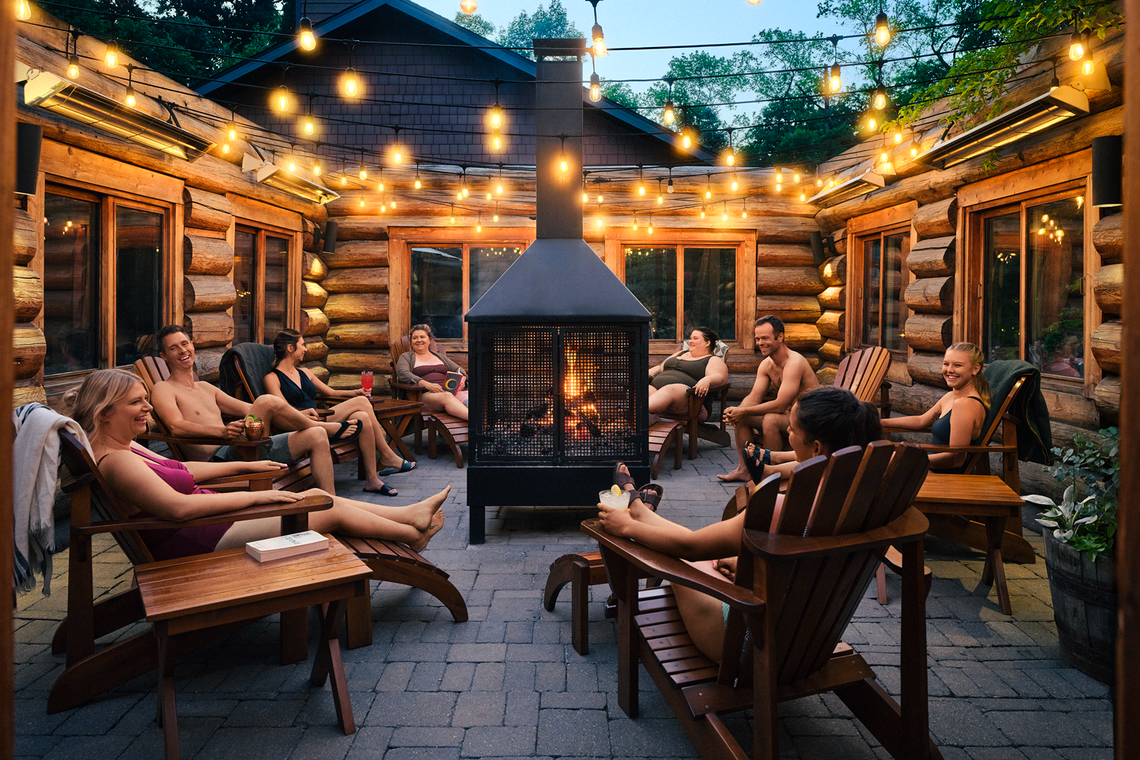
A true Third Space is a public or communal area where people gather naturally, voluntarily, and regularly. Historically, these were the English pubs, the French cafés, the German beer gardens, or, most accurately, the traditional village saunas of Finland. They are the anchors of community life, acting as the social glue that keeps a neighbourhood healthy.
Oldenburg noted that a great Third Space must have very specific characteristics: it must be a level playing field, conversation must be the primary activity, and it must be highly accessible.
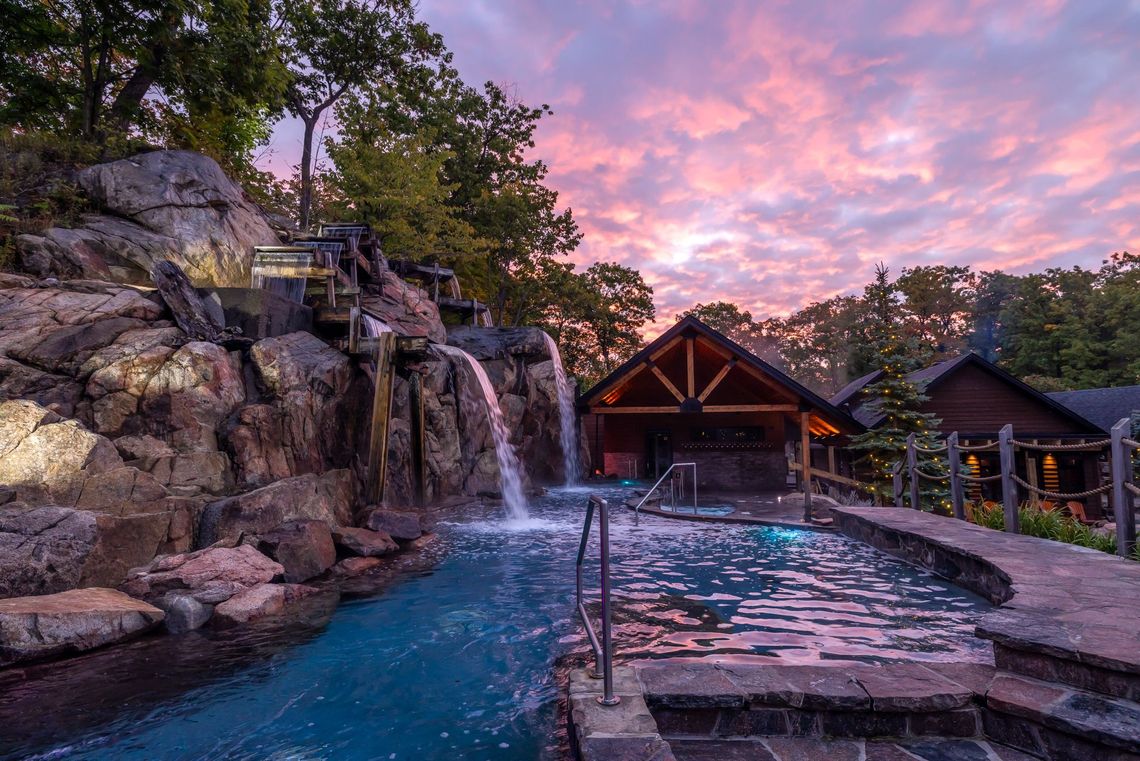
When you look at Nordik Spa Village in Chelsea or Thermea Spa Village in Winnipeg or Whitby, you are not just looking at a collection of baths and saunas. You are looking at a deliberate, modern execution of this ancient sociological concept. These facilities are built to be modern town squares. They are designed from the ground up to foster Community Harmony by giving people a shared, physical place to simply exist together.
The Thermal Cycle as a Shared Vocabulary
In most modern public spaces, interaction is transactional. You buy a coffee, you purchase a ticket, or you sit silently on a train. The modern spa completely rewrites this dynamic by introducing a shared, non-transactional ritual; the thermal cycle.
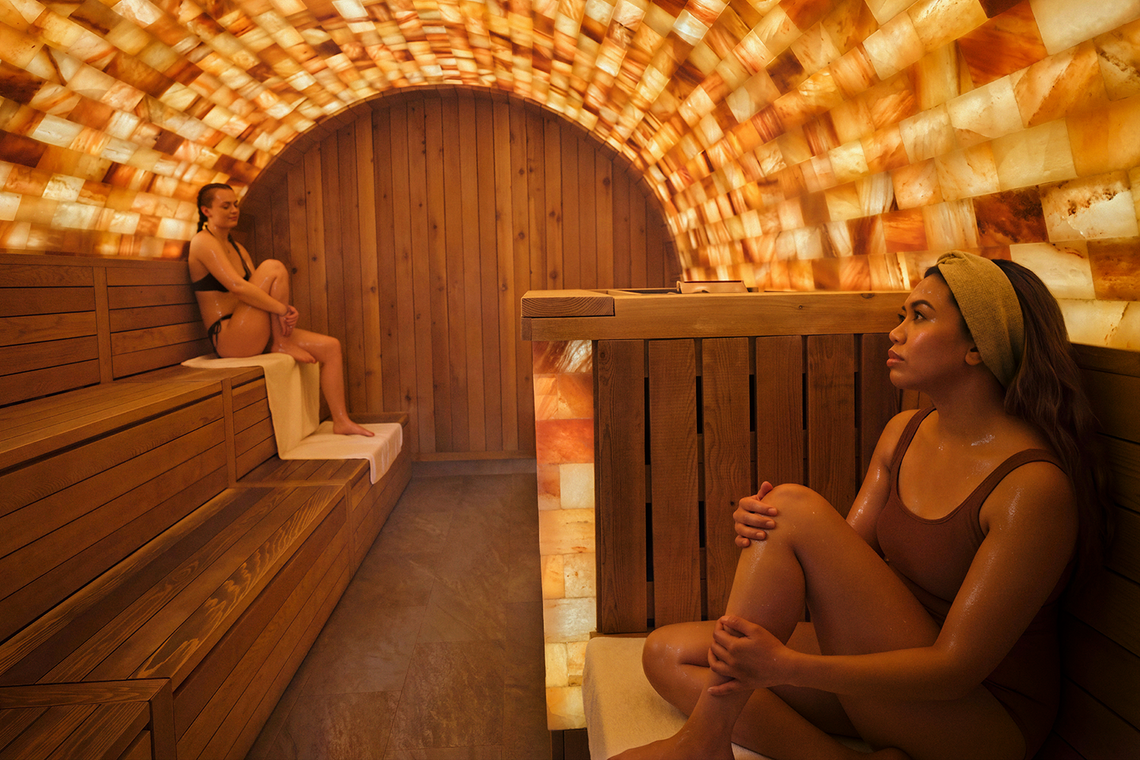
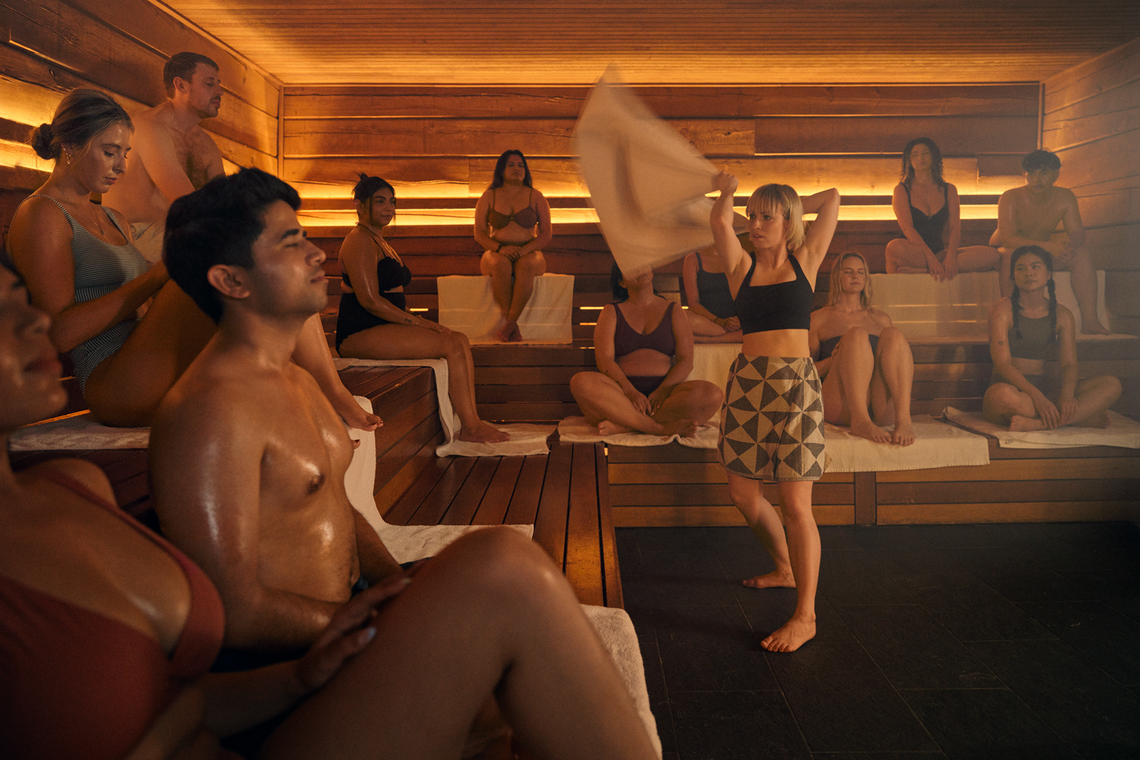
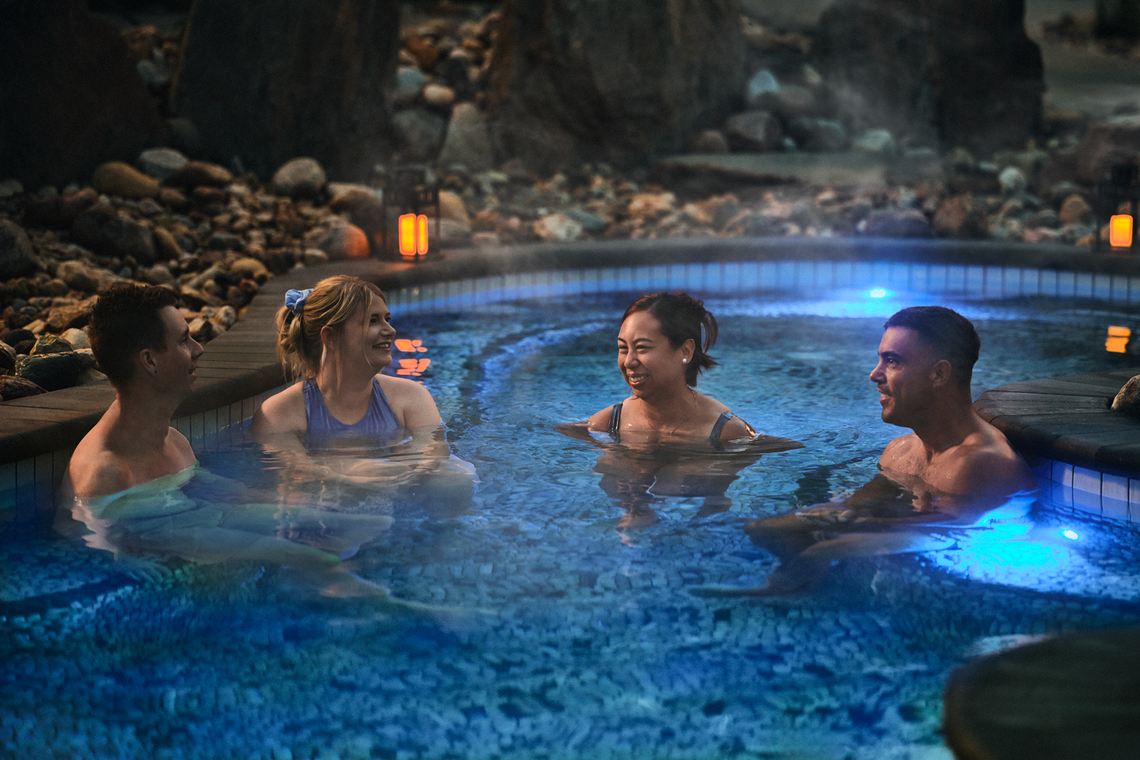
When guests move through the Hot → Cold → Rest sequence, they are participating in a collective human experience. You aren't just sitting near someone; you are sweating alongside them in the sauna, sharing the breathless exhale of the 5°C cold plunge, and resting under the same canopy of trees.
This shared physiological journey creates an immediate, unspoken bond. It breaks down the natural apprehension we have around strangers. In an environment where everyone is experiencing the same elements, social friction melts away. Conversation happens organically because the environment invites it. You might discuss the intensity of the heat, the crispness of the air, or nothing at all, because even the shared silence in a rest area creates a sense of mutual belonging.
Reclaiming the Casual Gathering
True community harmony cannot thrive in an environment of performance and documentation. In our current culture, even our leisure time has become performative, fueled by the pressure to capture and share every moment online.
By enforcing an analog sanctuary, a strict, phone-free environment, our spas protect the purity of the Third Space. Without the distraction of notification buzzes or the unspoken barrier of a screen held up to a face, the space becomes alive in a different way. Eye contact returns. Natural postures return. The casual, low-stakes interactions that form the bedrock of human community are given room to breathe.
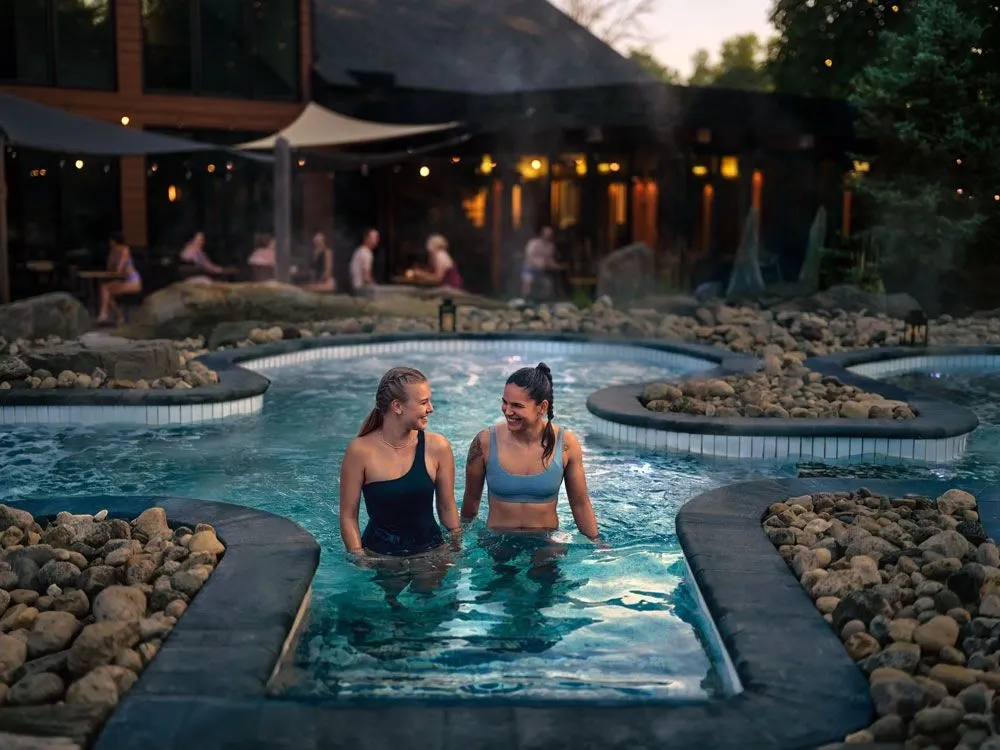
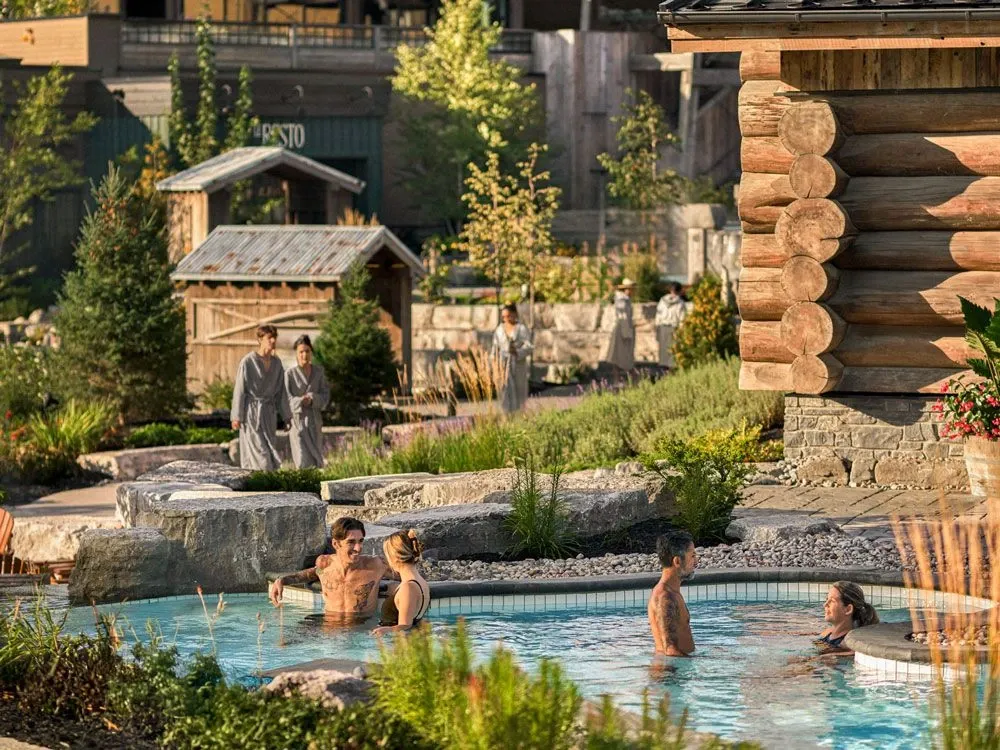
When I look out over the social relaxation zones at the spa, I don’t see individuals isolated in their own digital bubbles. I see groups of friends talking, couples reconnecting, and strangers sharing a nod of mutual respect after a tough cold plunge. It is a vibrant, living ecosystem of presence.
Conclusion: The Future of Communitarian Wellness
We need to stop viewing the thermal experience as a luxury treatment or an isolated health trend. Wellness is not just an individual pursuit; it is a collective responsibility.
The Spa Villages were founded on the belief that human beings need spaces to return to their roots, to the elements, and to each other. By prioritizing these public, thermal Third Spaces, we are building a buffer against the isolation of the modern world. We are creating environments where equality is the baseline and community is the outcome.
The next time you settle into the heat or gather around an outdoor fire pit at the spa, look around you. You aren't just recovering from your week. You are participating in the modern town square. You are building community harmony, one breath at a time.
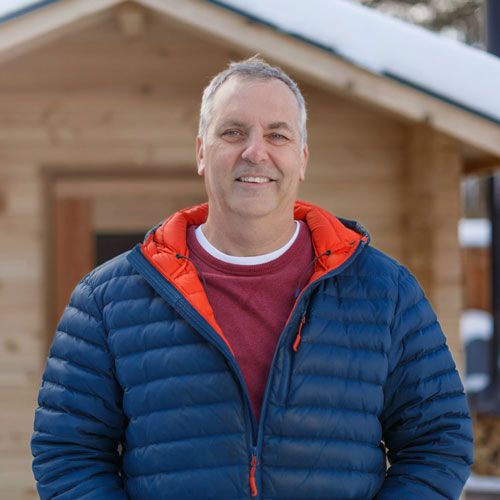
Alan Jalasjaa is a leading specialist in thermal wellness and an advocate for authentic sauna culture. Serving as the Sauna Ambassador for Sauna from Finland, he bridges the gap between traditional Finnish rituals and modern wellness. Alan is the co-host of the podcast Kivia: The Spirit of Sauna, where he explores the intersection of history, culture, and the human experience. Discover more at kivia.ca.